7 Signs Your Garage Door Needs Immediate Repair
Early Warning Signs Your Garage Door Is Failing and How Fast Repairs Can Prevent Bigger Issues

Your garage door is one of the most used entry points to your home, yet it’s often overlooked until something goes wrong. Because it operates daily, parts can wear down gradually, and small issues can quickly turn into major problems.
Recognising early warning signs allows you to prevent costly repairs, avoid inconvenient breakdowns, and ensure your home stays safe.
This guide explains
7 signs your garage door may need repair, what causes them, and when it’s best to call a professional for garage door repair that Townsville homeowners can rely on.
1. Slow Response Time
If you notice your garage door takes longer than usual to respond when you press the remote or wall switch, it could indicate a problem with the opener or internal components. A delay may result from a worn motor, loose wiring, or obstructions in the tracks.
Tip: Test your door at different times of day. If a slow response is consistent, it’s time to inspect the opener.
2. Loud Grinding or Squeaking Noises
Unusual noises such as grinding, squeaking, or banging are often early signs that your door is struggling mechanically.
These noises may come from:
- Worn rollers
- Loose bolts or brackets
- Lack of lubrication
- Misaligned tracks
Ignoring these sounds can lead to larger, more expensive repairs, like spring or cable replacement.
3. Door Opens or Closes Unevenly
If one side of your garage door moves faster than the other or appears crooked while opening or closing, the springs, tracks, or cables may be failing. Uneven movement stresses the door components and can lead to cables snapping or tracks bending.
Tip: Observe the door during operation. A technician may correct small misalignments before they worsen.
4. Door Won’t Stay Open
A door that slowly slides down after being fully opened often has worn or broken springs. Springs balance the door's weight, so when they fail, the door becomes heavy and dangerous.
Safety note: Never attempt to lift a door with a broken spring, it can cause serious injury.
5. Remote Control or Wall Switch Issues
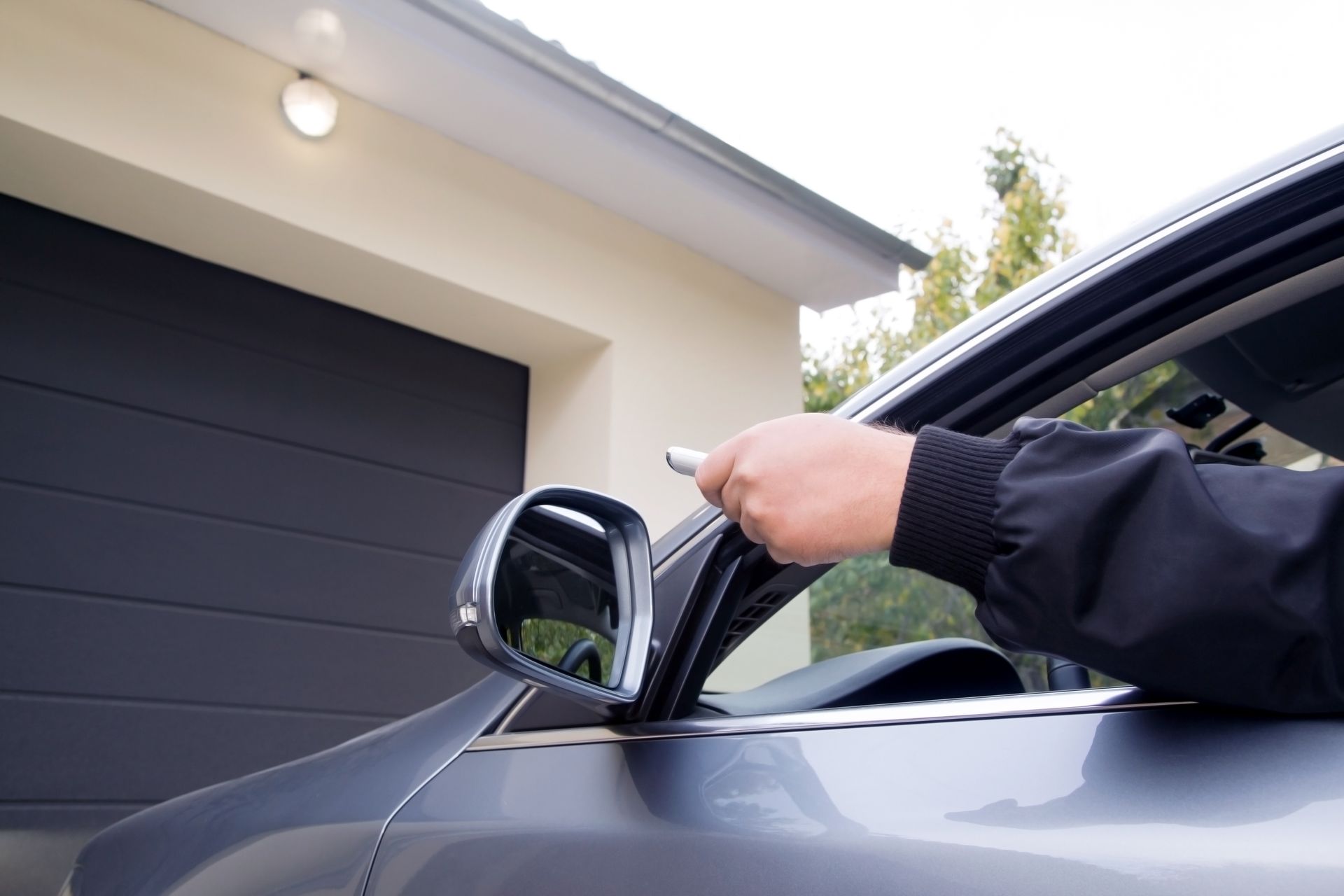
If your garage door works inconsistently or the remote stops working, it may indicate electrical problems, worn components, or faulty sensors. Sometimes, replacing batteries solves the issue, but frequent malfunctions usually require professional attention.
6. Sagging or Warped Door Panels
Older wooden doors or steel doors exposed to harsh weather may begin to sag or warp. This can create gaps, uneven operation, and noise, as well as reduce insulation effectiveness. Sagging panels often indicate that structural repairs or replacement may be necessary.
7. Frequent Reversing During Operation
Modern garage doors have safety sensors that stop the door if something blocks its path. If your door frequently reverses even when nothing is in the way, the sensors may be misaligned or dirty.
Persistent reversing can indicate spring or track issues, which should be inspected by a professional.
Why Immediate Repairs Matter
Ignoring these warning signs can cause:
- Safety hazards: Doors can fall or fail unexpectedly
- More expensive repairs: Minor issues can become major mechanical failures
- Inconvenience: Doors may stop working suddenly, leaving you locked out
Troubleshooting Tips for Homeowners
Some issues can be mitigated with basic maintenance:
- Lubricate rollers, hinges, and springs every 3–6 months
- Tighten loose hardware with a wrench
- Inspect tracks and rollers for dirt or minor misalignment
- Clean and align safety sensors to prevent reversing
Note: Avoid attempting spring or cable repairs yourself, they are extremely dangerous.
When to Contact a Professional
A trained garage door technician can safely:
- Replace broken springs
- Align or repair bent tracks
- Service or replace worn rollers and cables
- Inspect the opener for electrical or mechanical faults
Professional service ensures the door remains safe, reliable, and functional.
Preventive Maintenance Tips
Prevent future problems by:
- Scheduling
annual professional inspections
- Keeping tracks clean and free of debris
- Lubricating moving parts regularly
- Replacing worn rollers or weather seals promptly
Routine care prolongs the door’s lifespan and reduces emergency repair costs.
Being proactive about garage door maintenance and recognizing these 7 warning signs can save you money and prevent safety risks.
If you notice unusual sounds, uneven movement, or failing springs, it’s time to call a professional.
For reliable garage door repair Townsville homeowners trust, contact Reliable Garage Doors Townsville. Our team can inspect, maintain, and repair your garage door to keep it safe and operational.
FAQs
1. What are the most common garage door problems?
Common issues include slow response, unusual noises, broken springs, uneven movement, and reversing problems.
2. How do I know if my garage door spring is broken?
A broken spring may make the door feel heavy, stop moving, or operate unevenly.
3. Should I repair or replace my garage door?
Minor issues can be repaired, but older doors with frequent problems may require replacement.
4. How quickly should I fix a broken garage door?
Garage door issues should be addressed immediately to prevent safety hazards and costly repairs.