DIY Garage Door Fixes You Can Do Safely (And What to Never Touch)
Not Every Garage Door Problem Needs a Technician. But Some Definitely Do
When your garage door starts acting up, your first thought might be: Can I fix this myself?
The answer is yes… but only for certain things.
Some garage door issues are simple, safe, and quick to fix. Others can be dangerous and should never be handled without proper tools and training.
Knowing the difference can save you time, money, and prevent serious injury.
The Safe DIY Fixes You Can Do Today
Let’s start with what you can safely handle.
1. Lubricating Moving Parts
If your garage door is squeaky or stiff, this is the easiest fix.
What to do:
Apply a proper garage door lubricant to:
- Rollers
- Hinges
- Tracks
- Springs (lightly)
Tip you can apply immediately:
Use a silicone or lithium-based lubricant; avoid WD-40, as it’s not designed for long-term use.
Before vs After:
- Before: Noisy, jerky movement
- After: Smooth and quiet operation
2. Tightening Loose Hardware
Garage doors move multiple times a day, which can loosen bolts over time.
What to check:
- Brackets
- Screws
- Roller mounts
Step-by-step:
- Turn off the garage door opener
- Use a spanner to tighten loose bolts
- Avoid overtightening
This simple step can reduce rattling and improve performance.
3. Cleaning the Tracks
Dirt and debris can block smooth movement.
What to do:
- Wipe tracks with a damp cloth
- Remove any visible buildup
- Avoid using grease inside the tracks
Clean tracks help your door glide properly without resistance.
4. Checking the Remote and Batteries
If your garage door isn’t responding, the issue may not be mechanical at all.
Quick fix:
- Replace batteries
- Check for signal interference
- Test the wall switch
This is one of the most overlooked solutions—and often the easiest.
5. Testing Safety Sensors
If your door won’t close properly, your sensors might be the issue.
What to check:
- Are the sensors aligned?
- Are they clean?
- Is anything blocking them?
Fixing this can restore normal operation instantly.
What You Should NEVER Touch
This is where things get serious.
Some parts of your garage door system are under extreme tension and can cause injury if handled incorrectly.
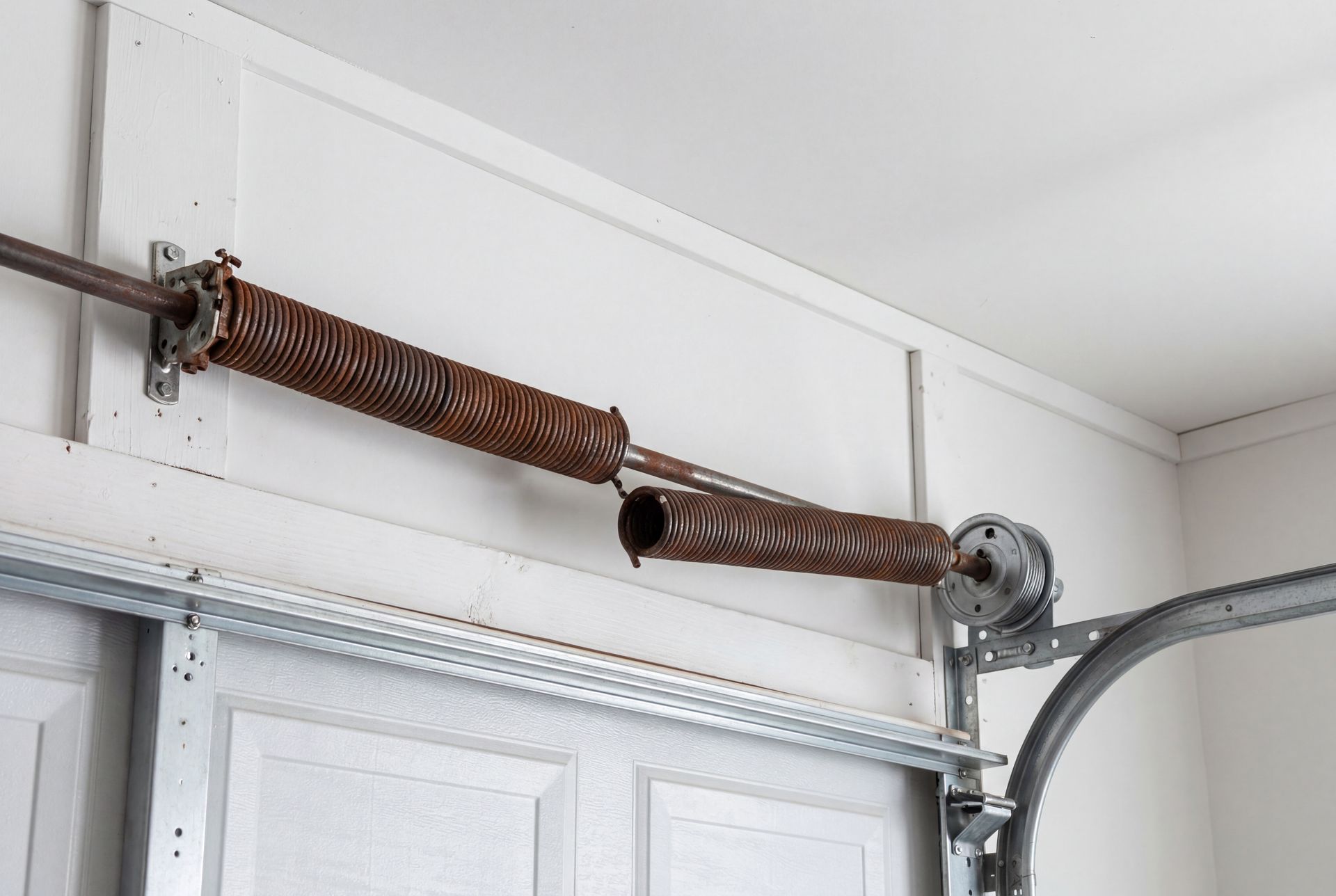
1. Garage Door Springs
These are the most dangerous components.
Why:
- They hold massive tension
- Can snap suddenly
- Require specialised tools
Never attempt to adjust or replace springs yourself.
2. Cables
Garage door cables work alongside springs to lift the door.
Risk:
- Can whip or snap under pressure
- Difficult to reinstall correctly
If a cable looks damaged or loose, call a professional immediately.
3. Garage Door Motor Repairs
While you can check power and batteries, internal motor repairs should be left to experts.
Signs of motor issues:
- Humming but no movement
- Slow or inconsistent operation
- Burning smell
4. Door Off Track
If your garage door has come off its track, don’t try to force it back.
Why:
- The door can fall
- Can cause further damage
- High risk of injury
How to Know If It’s Safe to DIY
Here’s a simple rule:
Safe to DIY:
- Cleaning
- Lubricating
- Tightening
- Basic checks
Not safe:
- Anything involving tension
- Anything requiring disassembly
- Anything you’re unsure about
When to Call a Professional
Call a professional if:
- The door feels heavy
- You hear a loud snap or bang
- The door is uneven or off track
- DIY fixes didn’t solve the issue
Trying to fix the wrong problem can make things worse and more expensive.
DIY garage door maintenance can be simple and effective when you stick to what’s safe.
Small actions like lubrication, cleaning, and tightening can prevent bigger problems down the track.
But when it comes to high-tension components, it’s always better to step back and let a professional handle it.
Knowing your limits isn’t a weakness; it’s how you avoid turning a small issue into a serious one.
If your garage door continues to make loud noises or isn’t operating properly, professional assistance may be needed. Contact Reliable Garage Doors Townsville for expert garage door repair Townsville homeowners can trust.
FAQs
1. Can I fix my garage door myself?
Yes, for basic maintenance like lubrication, cleaning, and tightening. Avoid handling springs, cables, or major components.
2. What garage door repairs are dangerous?
Spring repairs, cable adjustments, and off-track doors are dangerous and should always be handled by professionals.
3. Why is my garage door still not working after DIY fixes?
The issue may be internal (motor, springs, or alignment), which requires professional inspection.
4. How often should I maintain my garage door?
Basic maintenance, like lubrication and cleaning, should be done every 3–6 months.