Garage Door Opens Then Closes? Here's Why
Does Your Garage Door Open… Then Immediately Close Again?
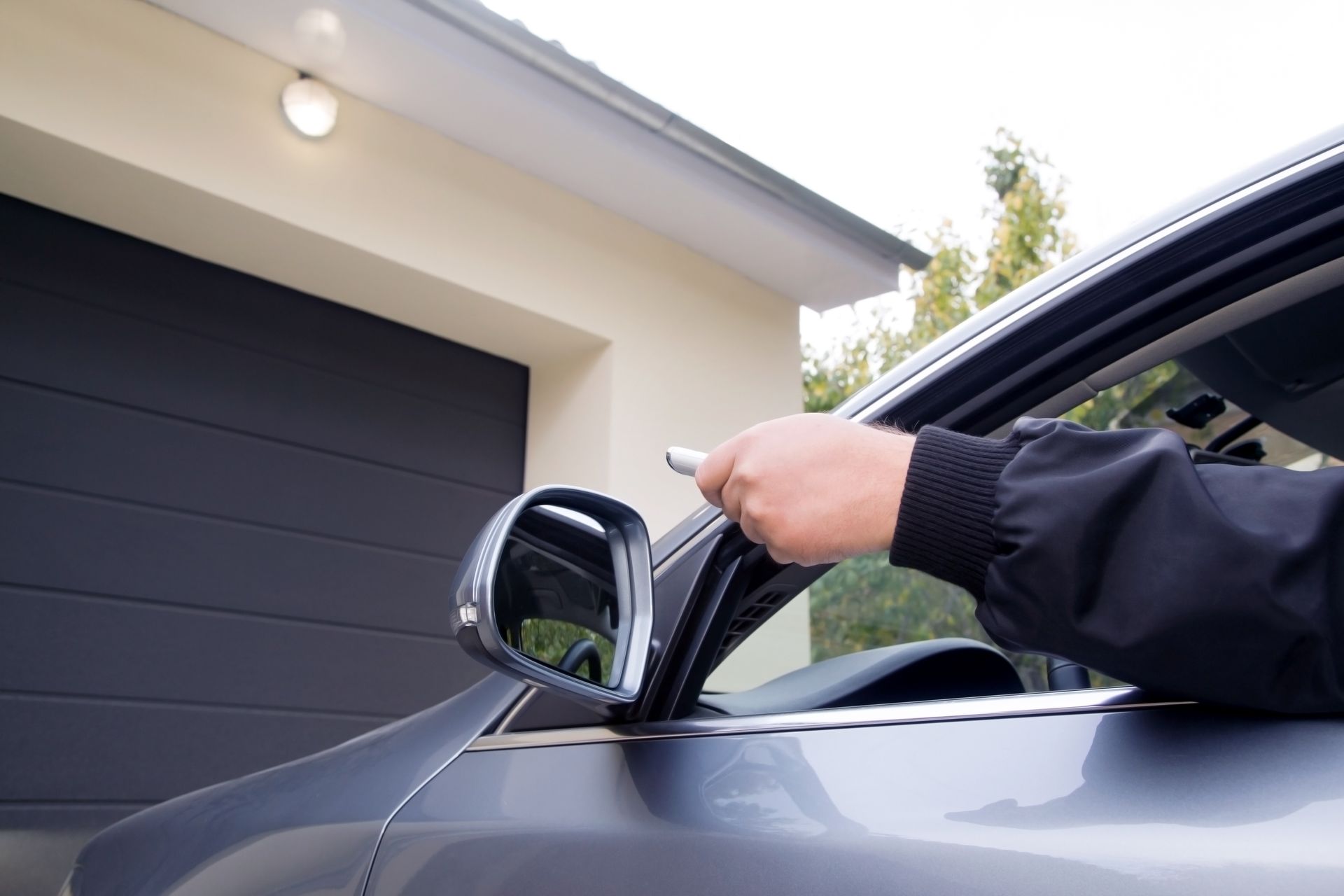
You press the remote, your garage door opens normally, and just as you think everything is working fine, it suddenly starts closing again.
It's frustrating, confusing, and can even become a safety concern, especially if you're driving in or out of the garage.
The good news is that this is a fairly common garage door problem, and in many cases, the cause is easier to identify than you might think.
Sometimes it's a simple sensor issue. Other times, it could point to a worn component or a problem with the garage door opener.
As experienced garage door technicians, we've seen this issue many times. The key is identifying the cause early before it leads to more serious damage or costly repairs.
Let's look at the most common reasons your garage door opens and then closes, and what you can do about it.
Why This Happens
Modern garage doors rely on several components working together, including:
- Safety sensors
- Garage door springs
- Tracks and rollers
- The garage door opener
- Electronic settings
If one part isn't working correctly, the opener may stop the normal cycle and automatically close the door again.
Think of it as your garage door trying to tell you that something isn't quite right.
1. Faulty Safety Sensors
Safety sensors are one of the most common reasons for unexpected garage door behaviour.
These sensors sit near the bottom of the garage door tracks and communicate using an invisible beam.
If that beam is interrupted or the sensors aren't aligned properly, the opener may receive incorrect signals.
Common Causes
- Dirty sensor lenses
- Misaligned sensors
- Moisture on the sensors
- Loose wiring
What You Can Do
Start by:
- Cleaning both sensors with a soft cloth
- Making sure they're facing each other
- Removing anything blocking the sensor beam
If the indicator lights are flashing, there's a good chance the sensors need adjustment.
2. Incorrect Garage Door Opener Settings
Your opener controls how far the garage door should travel.
If these settings become incorrect, the door may:
- Open fully
- Pause briefly
- Immediately close again
Power outages, electrical surges or normal wear can sometimes affect these settings.
Signs This Is the Problem
- The door follows the exact same pattern every time
- There are no strange noises
- The door moves smoothly
Many opener systems can be recalibrated, although the process varies depending on the manufacturer.
3. Remote Control or Wall Switch Issues
Sometimes the problem isn't the garage door itself.
A faulty remote, stuck wall button or damaged wiring can accidentally send another signal to the opener.
This can make it seem like the garage door is operating on its own.
Quick Checks
- Replace the remote batteries
- Test another remote if available
- Check whether the wall button is sticking
If the issue only happens with one remote, you've likely found the cause.
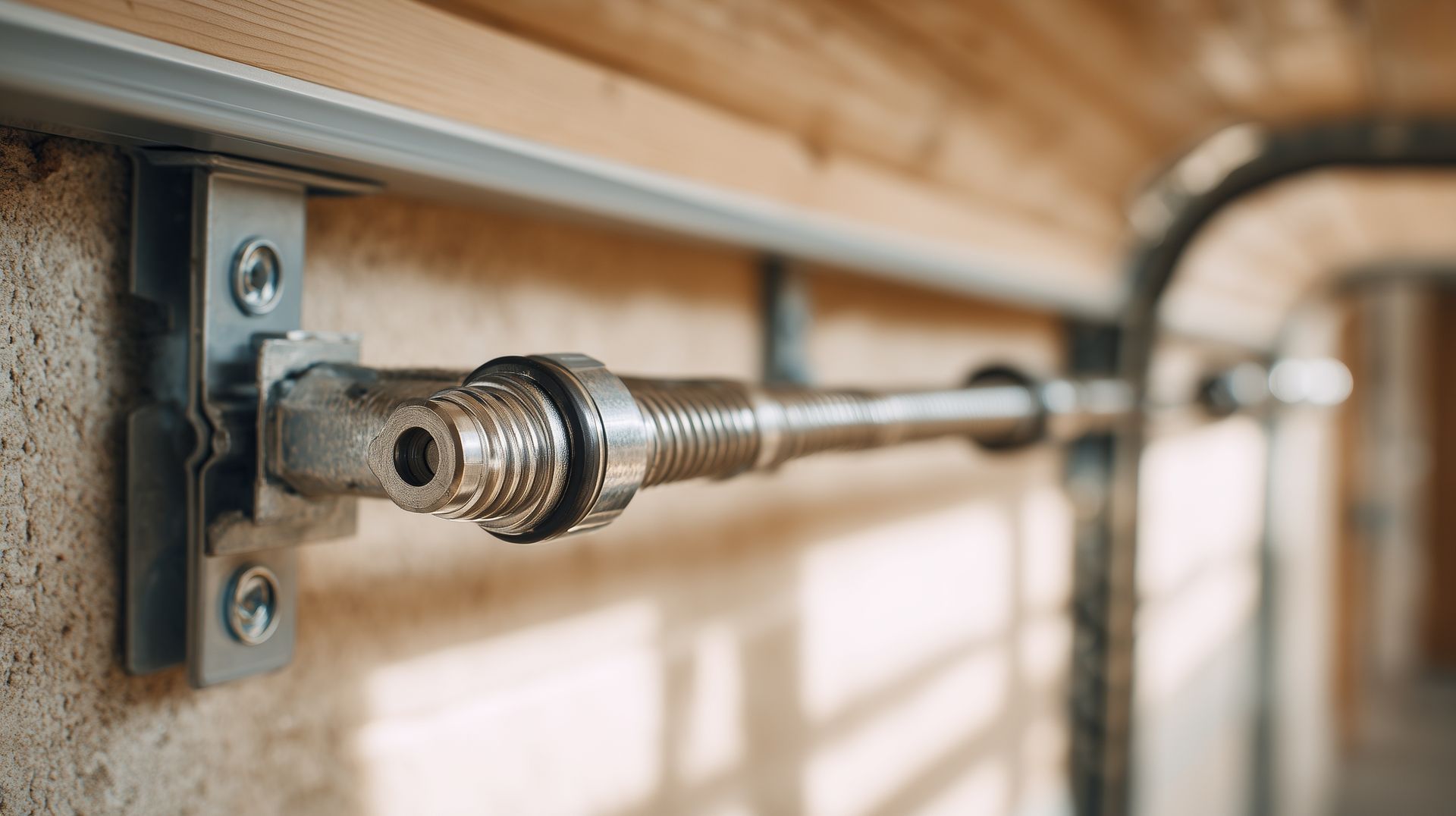
4. Worn Garage Door Springs
Garage door springs balance the weight of the door.
If they're beginning to weaken, the opener may struggle to complete the opening cycle properly.
This can confuse the system and cause unexpected movement.
Signs of Worn Springs
- The door feels heavier than usual
- Uneven movement
- Loud banging noises
- Slower opening
Important
Never attempt to repair garage door springs yourself. They operate under high tension and require specialised tools and training.
5. Obstructions on the Tracks
Garage door tracks don't need much to cause problems. Small amounts of debris, bent tracks or damaged rollers can create resistance during operation.
When the opener senses unexpected resistance, it may reverse or close the door unexpectedly.
Check For
- Leaves
- Dirt
- Small stones
- Damaged rollers
- Bent track sections
Keeping the tracks clean is one of the easiest ways to prevent unnecessary problems.
6. Garage Door Opener Is Starting to Fail
Like any mechanical equipment, garage door openers wear out over time.
Older motors may begin behaving unpredictably.
You might notice:
- Random opening and closing
- Delayed response
- Unusual humming noises
- Inconsistent operation
If your opener is more than 10–15 years old, replacement may be more cost-effective than repeated repairs.
7. Electrical or Wiring Problems
Electrical faults are less common, but they do happen.
Possible causes include:
- Loose wiring
- Damaged circuit boards
- Power fluctuations
- Faulty safety circuits
These issues usually require professional diagnosis.
If your garage door behaves differently each time you use it, an electrical fault could be involved.
Step-by-Step: What You Can Check Before Calling a Technician
Before arranging repairs, try these simple checks:
Step 1: Clean the Safety Sensors
Wipe away dirt, dust and cobwebs.
Step 2: Check for Obstructions
Inspect both tracks and the garage floor.
Step 3: Test the Remote
Replace the batteries or try another remote.
Step 4: Listen Carefully
Grinding, squeaking or banging noises often point to mechanical wear.
Step 5: Watch the Door Movement
Does it always close at the same point?
Or does it happen randomly?
This information can help identify the cause more quickly.
When You Should Call a Garage Door Professional
Some garage door problems can be solved with basic maintenance.
Others require professional attention.
We recommend arranging an inspection if:
- The problem keeps happening
- The door feels heavy
- Springs appear damaged
- The opener is making loud noises
- The door is uneven
- The garage door won't stay open
Trying to force the system can often make the problem worse.
As garage door specialists, we regularly diagnose issues that homeowners initially thought were minor.
Early repairs are usually quicker, safer and far more affordable than waiting for complete system failure.
Prevent Future Garage Door Problems
Routine maintenance goes a long way towards preventing unexpected breakdowns.
Simple habits include:
- Lubricating moving parts every few months
- Keeping tracks clean
- Testing the safety sensors regularly
- Listening for unusual noises
- Booking professional servicing once a year
Preventative maintenance not only improves performance but also helps extend the lifespan of your garage door system.
If your garage door opens and then suddenly closes again, don't ignore it.
While the issue may be something as simple as dirty sensors or incorrect opener settings, it can also be an early warning sign of mechanical wear.
Addressing the problem early can help you avoid more expensive repairs and keep your garage door operating safely and reliably.
If you're unsure what's causing the issue, getting professional advice is always the safest option.
Need Help Diagnosing Your Garage Door?
If your garage door keeps opening and then closing unexpectedly, we're happy to inspect the system, identify the cause, and provide honest advice—no pressure.
FAQs
1. Why does my garage door open and then close again?
This is commonly caused by faulty safety sensors, incorrect opener settings, worn springs, or problems with the garage door opener.
2. Can dirty sensors cause my garage door to close by itself?
Yes. Dirty or misaligned safety sensors can interrupt the sensor beam, causing the opener to close or reverse unexpectedly.
3. Should I keep using my garage door if it keeps opening and closing?
It's best to stop using the door until the cause is identified, especially if the problem is recurring or the door is moving unpredictably.
4. How often should I have my garage door serviced?
A professional garage door service is recommended at least once a year to keep the system operating safely and identify worn parts before they fail.