How to Lubricate Your Garage Door Properly (Step-by-Step Guide)
Is Your Garage Door Getting Noisy or Stiff?
If your garage door has started squeaking, grinding, or moving less smoothly than usual, there’s a good chance it simply needs proper lubrication.
It’s one of the easiest and most overlooked parts of garage door maintenance.
The problem is, many homeowners either:
- Forget to lubricate their garage door altogether
- Use the wrong products
- Or apply lubricant in the wrong places
Done properly, lubrication can:
- Reduce noise
- Improve performance
- Prevent unnecessary wear
- Extend the life of your garage door system
And the best part? It only takes a few minutes.
As garage door technicians, we often see small maintenance issues turn into larger repairs simply because moving parts were left dry for too long.
This guide will walk you through exactly how to lubricate your garage door safely and properly.
Why Garage Door Lubrication Matters
Your garage door has multiple moving parts working together every single day.
Without lubrication, metal components create friction, which can lead to:
- Squeaking and grinding noises
- Increased strain on the opener
- Faster wear on rollers and hinges
- Reduced lifespan of parts
Regular lubrication helps keep everything moving smoothly while reducing unnecessary stress on the system.
Think of it like servicing your car, small maintenance now helps prevent bigger repairs later.
How Often Should You Lubricate a Garage Door?
For most Australian homes, garage doors should be lubricated every:
- 3 to 6 months for regular use
- More frequently in coastal or humid areas
Homes exposed to dust, salt air, or heavy weather may need extra maintenance to prevent corrosion and wear.
What You’ll Need Before You Start
Before lubricating your garage door, gather:
- A proper garage door lubricant
- A clean cloth or rag
- A ladder if needed
- Safety gloves
Important:
Avoid using thick grease or general-purpose oils that attract dirt. A silicone-based or lithium-based garage door lubricant is usually the best option.
Step-by-Step: How to Lubricate Your Garage Door Properly
Step 1: Disconnect the Garage Door Opener
For safety, unplug the automatic opener or switch the door to manual mode before starting.
This prevents accidental movement while you’re working.
Step 2: Clean the Tracks First
Before applying lubricant, wipe dirt and debris from the tracks using a dry cloth.
Important Tip
You should clean the tracks, but not heavily lubricate them.
Too much lubricant inside the tracks can attract dust and grime, which may create more problems later.
Step 3: Lubricate the Rollers
Rollers help the garage door glide smoothly along the tracks.
Apply lubricant carefully to:
- Metal rollers
- Roller bearings
Avoid soaking the rollers excessively.
Good vs Bad Example
Good: A light, even coating on moving parts.
Bad: Heavy spraying that drips everywhere and attracts dirt.
Step 4: Lubricate Hinges
Apply lubricant to the pivot points where the hinges move during operation.
This helps reduce:
- Squeaking
- Friction
- Wear between metal components
Open and close the door manually a few times to help distribute the lubricant evenly.
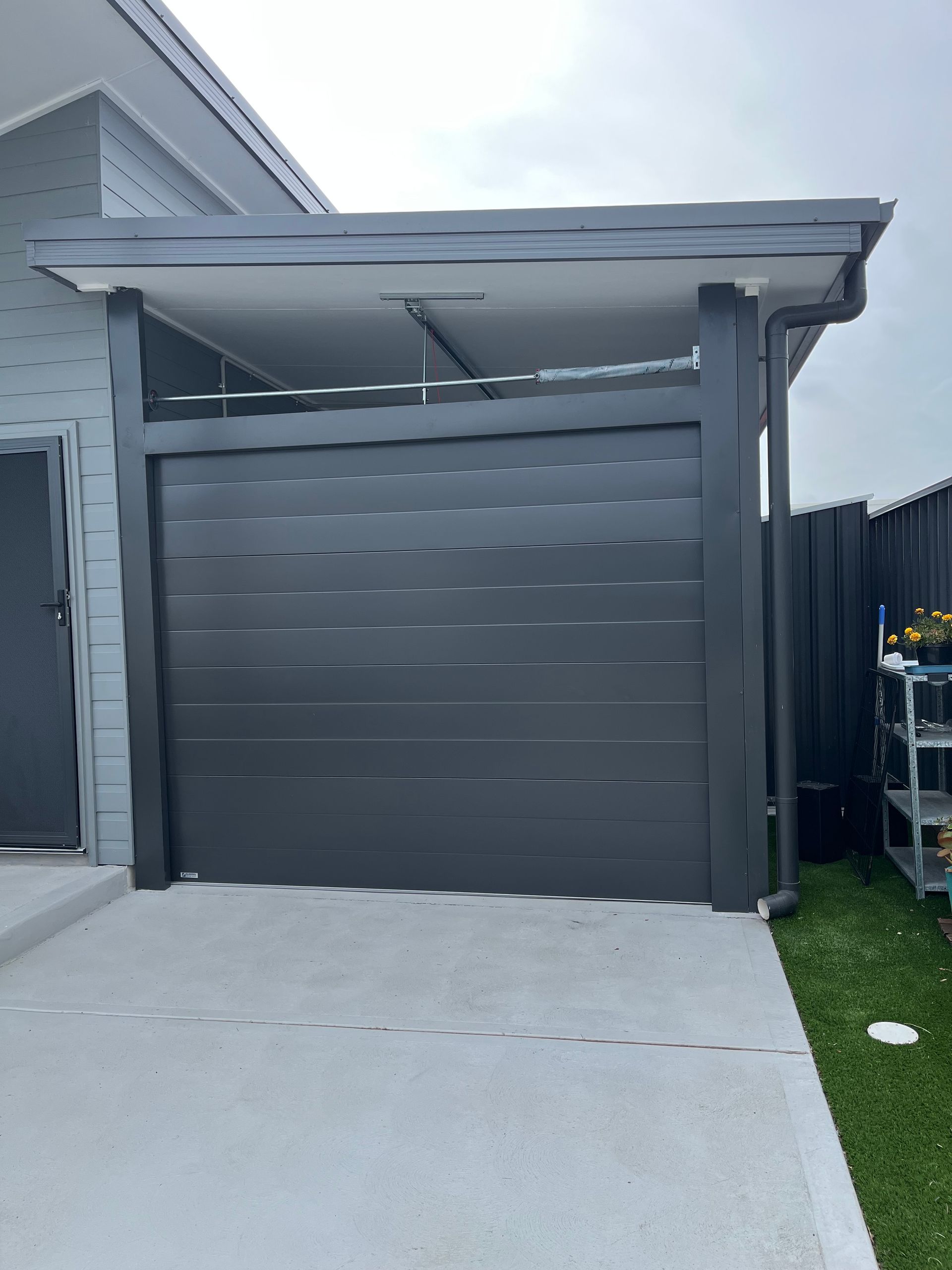
Step 5: Lubricate Springs
Garage door springs work under significant tension and need regular maintenance.
Apply a light spray along the springs to reduce friction and corrosion.
Important Safety Note
You should lubricate springs—but never attempt to adjust or repair them yourself.
If springs appear damaged or worn, contact a professional technician.
Step 6: Lubricate Bearings and Pivot Points
Bearings help moving parts operate smoothly and quietly.
Focus on:
- Bearing plates
- Pivot joints
- Moving connection points
These areas often create noise when they become dry.
Step 7: Test the Door
Once lubrication is complete:
- Reconnect the opener
- Open and close the door several times
- Listen for improvements in noise and movement
In many cases, homeowners notice smoother operation almost immediately.
Common Lubrication Mistakes to Avoid
We often see homeowners accidentally create bigger issues by using the wrong approach.
Here are the most common mistakes:
Using WD-40 as a Long-Term Lubricant
WD-40 is better as a cleaner or moisture displacer—not a long-term garage door lubricant.
Over-Lubricating Everything
Too much lubricant attracts dirt and debris, especially in tracks.
Ignoring Noises After Lubrication
If the door still grinds, shakes, or struggles after lubrication, there may be a larger mechanical issue.
Forgetting Regular Maintenance
Lubrication works best when done consistently, not only when problems appear.
Signs Your Garage Door Needs More Than Lubrication
Sometimes noise or slow movement isn’t caused by dryness alone.
You may need professional repairs if you notice:
- The door feels heavy
- Jerky or uneven movement
- Broken springs
- Frayed cables
- Loud banging noises
- The opener straining constantly
Lubrication can improve performance, but it won’t fix damaged components.
Why Professional Maintenance Still Matters
While lubrication is a great preventative step, professional servicing helps identify:
- Worn rollers
- Weak springs
- Misaligned tracks
- Motor strain
- Safety issues
As experienced garage door technicians, we often catch small issues before they become costly emergency repairs.
Regular maintenance not only improves performance—it also helps keep your garage door safe and reliable long-term.
Proper garage door lubrication is one of the simplest ways to keep your system running smoothly.
With just a little maintenance, you can:
- Reduce noise
- Prevent wear and tear
- Improve door performance
- Extend the lifespan of important components
The key is using the right lubricant, applying it correctly, and staying consistent with maintenance.
And if something still doesn’t feel right after lubrication, it’s always best to have it professionally checked before a small issue turns into a major repair.
Need Professional Garage Door Servicing?
If your garage door continues to make loud noises or isn’t operating properly, professional assistance may be needed. Contact Reliable Garage Doors Townsville for expert garage door repair Townsville homeowners can trust.
FAQ's
1. What is the best lubricant for a garage door?
A silicone-based or lithium-based garage door lubricant is usually the best option for smooth and long-lasting performance.
2. How often should I lubricate my garage door?
Most garage doors should be lubricated every 3 to 6 months, depending on usage and weather conditions.
3. Can I use WD-40 on my garage door?
WD-40 can help clean parts temporarily, but it’s not ideal as a long-term lubricant for garage door systems.
4. Why is my garage door still noisy after lubrication?
Persistent noise may indicate worn rollers, damaged springs, misaligned tracks, or other mechanical problems that require professional repair.