The Ultimate Pre Purchase Guide
How Much Does Garage Door Repair Cost? A Detailed Price Breakdown
When your garage door breaks down, it can be frustrating and stressful. Whether it’s a broken spring, malfunctioning opener, or damaged panel, garage door repairs are often unexpected. However, understanding the typical costs for common repairs can help you budget and make informed decisions.
In this guide, we’ll walk you through the most common garage door repairs and provide a price range for each, so you know what to expect when it’s time for repairs.
All prices listed are based on standard-sized garage doors, and actual costs may vary depending on the specific type, size, and complexity of the door.
1. Broken Garage Door Springs: $100 - $250 (each)
One of the most common repairs for garage doors is replacing broken springs. Garage door springs are responsible for bearing the weight of the door, and they experience a lot of tension. Over time, they can wear out or snap.
Cost Breakdown:
- Torsion Springs (located above the door): Typically cost $120 to $250 to replace (each).
- Extension Springs (located on the sides of the door): Typically cost $100 to $200 to replace (each).
Important Note: It’s recommended to replace both springs at the same time, even if only one is broken, to maintain balance and prolong the life of the door.
2. Garage Door Opener Repairs: $100 - $300
If your garage door isn’t opening or closing properly, the opener could be the issue. There are many potential problems with openers, from malfunctioning motors to faulty sensors. The cost of repair depends on the nature of the issue.
Common Opener Repairs:
- Sensor Issues: If your door doesn’t close all the way or opens and closes intermittently, it could be a problem with the safety sensors. Fixing or realigning sensors typically costs $100 to $150.
- Motor Repair/Replacement: If the motor is malfunctioning, it could cost $200 to $300 to repair or replace.
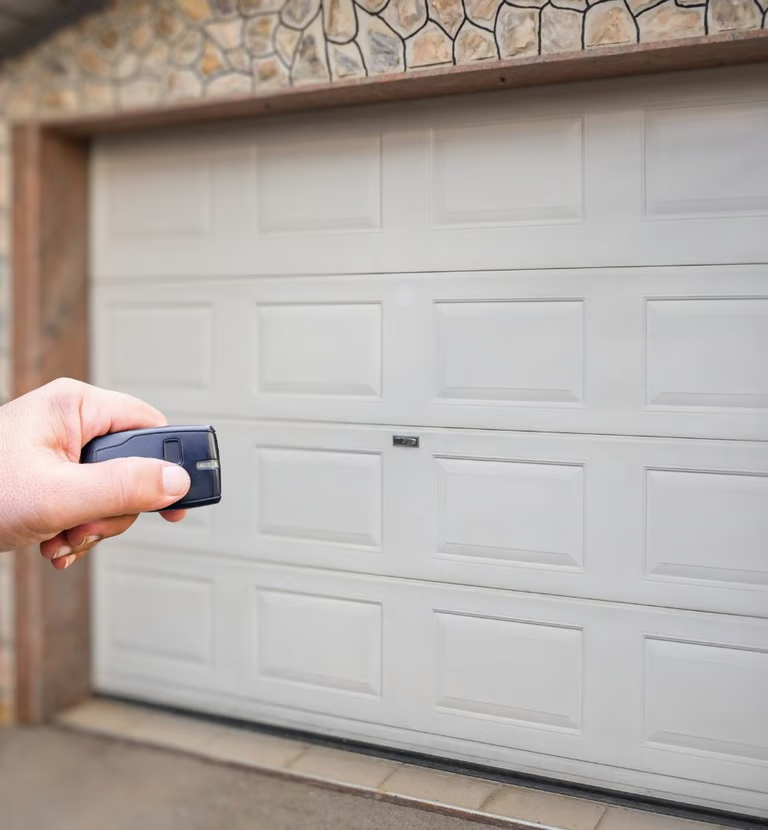
- Remote Control Replacement: If your opener’s remote is broken, replacing it usually costs around $50 to $100.
3. Garage Door Track Repair: $100 - $300
If your garage door is making strange noises or doesn’t move smoothly, the tracks may be misaligned or damaged. Garage door tracks guide the door’s movement, and any misalignment can cause the door to function poorly or get stuck.
Cost Breakdown:
- Track Adjustment: If the tracks are slightly out of alignment, adjusting them costs around $100 to $150.
- Track Replacement: If the tracks are bent or severely damaged, they may need to be replaced. Track replacement can cost between $200 to $300.
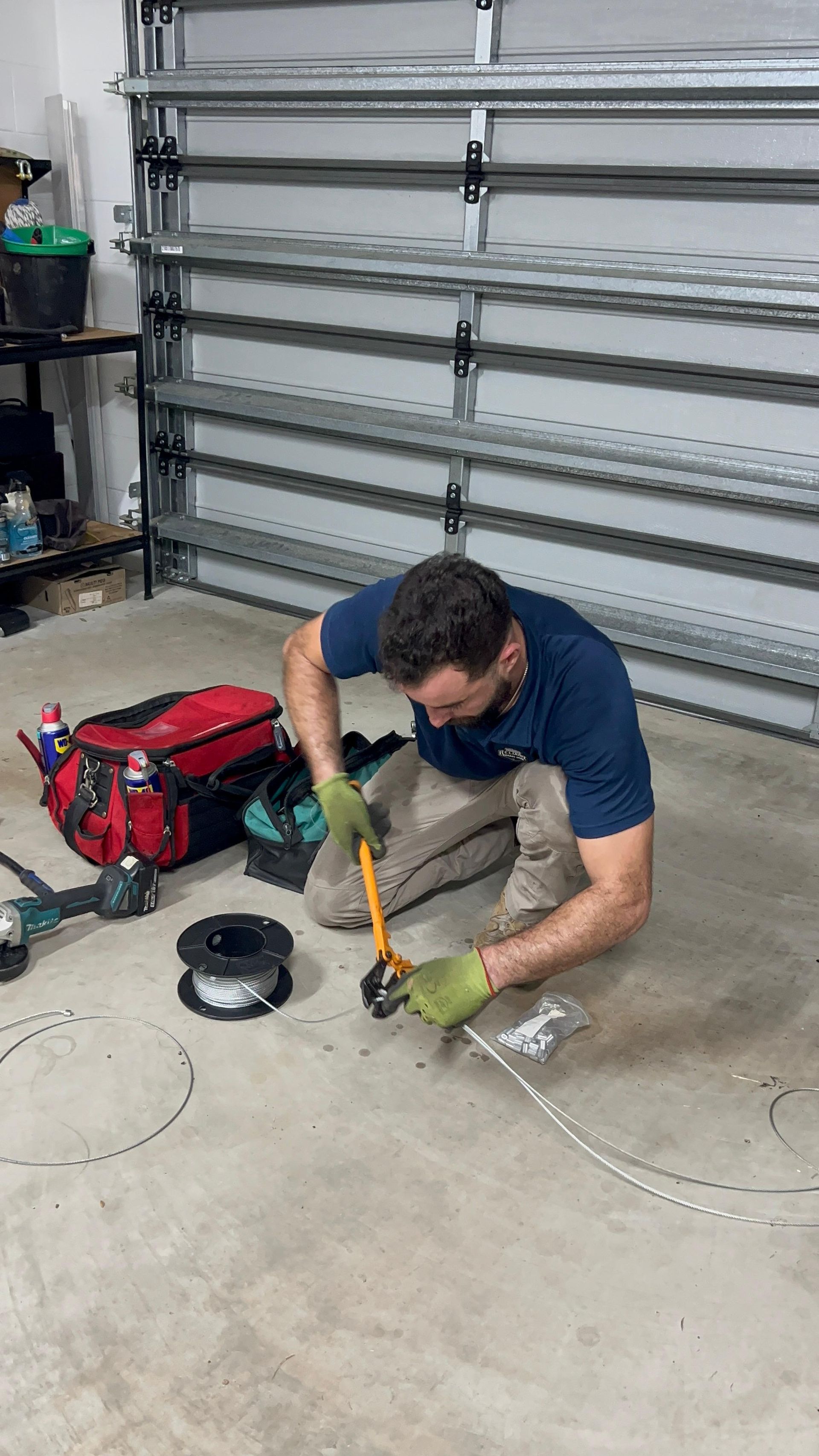
4. Broken Cables: $140 - $220
Garage door cables work in tandem with the springs to open and close the door. If a cable snaps or becomes frayed, it can prevent the door from operating properly.
Cost Breakdown:
- Cable Replacement: Replacing a single cable typically costs between $140 to $220, depending on the brand of the door and the complexity of the repair.
Important Note: When one cable breaks, the other is usually worn out as well. It’s often recommended to replace both cables at the same time to ensure even wear and prevent future issues.
5. Garage Door Panel Replacement: $250 - $600
If one of the panels on your garage door is dented, cracked, or damaged beyond repair, replacing the panel may be necessary. The cost of panel replacement depends on the material of your door and the extent of the damage.
Cost Breakdown:
- Steel Panels: Typically range from $250 to $500 per panel.
- Wooden Panels: Can cost between $350 to $600 per panel, depending on the quality and design.
In some cases, replacing a single panel may not be cost-effective if the door is old or if multiple panels are damaged. If that’s the case, a full door replacement might be a better option.
6. Garage Door Opener Replacement: $600 - $1100 (including installation)
If your garage door opener is malfunctioning or outdated, replacing it may be the best solution. While the exact cost of a replacement will depend on various factors, including the make and model of your door and the complexity of the installation.
Cost Breakdown:
- The price for replacing a garage door opener generally includes both the unit itself and the labor for installation. Installation costs can range from $100 to $300, depending on the complexity of the job.
- Additional charges may apply for wiring or modifications if your existing system is incompatible with the new opener.
Replacing an old or faulty opener not only restores the functionality of your garage door but can also improve convenience and security with modern features. While some homeowners may choose to install the opener themselves, it’s generally recommended to hire a professional to ensure proper installation and avoid potential safety risks.
7. Garage Door Spring Adjustment: $100 - $150
If your garage door isn’t properly balanced (i.e., it’s heavy on one side), it’s often a sign that the springs need to be adjusted. While a spring adjustment isn’t as expensive as a full replacement, it still requires the expertise of a trained technician.
Cost Breakdown:
- Spring Adjustment: Typically costs between $100 and $150 to balance and adjust the tension on the springs.
8. Lubrication and General Maintenance: $90 - $150
Routine maintenance is essential for keeping your garage door functioning smoothly and preventing costly repairs. Regular lubrication and inspection can help extend the life of the door and its components.
Cost Breakdown:
- Lubrication and Inspection: A typical maintenance service, which includes lubricating the moving parts, inspecting the door, and tightening any loose components, usually costs between $75 and $150.
9. Emergency or After-Hours Repair: Additional $50 - $100
If you need repairs outside of normal business hours, you may be charged an additional fee for emergency or after-hours service. This fee usually ranges from $50 to $100 depending on the time of day and the urgency of the repair.
How to Save on Garage Door Repair Costs
- Regular Maintenance: Keeping your door well-maintained can prevent unexpected, costly repairs. Regular inspections, lubrication, and adjustments can catch small problems before they turn into major issues.
- Address Problems Early: Don’t wait too long to address any issues with your garage door. The longer you wait, the more likely it is that small problems will become big, expensive repairs.
- Get Multiple Quotes: It’s always a good idea to get quotes from multiple garage door companies to ensure you’re getting the best deal.
Conclusion
Garage door repairs can range from a simple, affordable fix to a more expensive, complex repair. Knowing the typical costs for common repairs will help you plan and make informed decisions. While some issues, like broken springs or cables, may require professional attention, others can be handled with routine maintenance and early intervention.
If you're in need of garage door repairs or maintenance, contact Reliable Garage Doors Townsville today. Our experienced technicians are ready to provide you with reliable service at competitive prices.