Winter Garage Door Problems in Australia (And How to Prevent Them)
Is Your Garage Door Struggling This Winter?
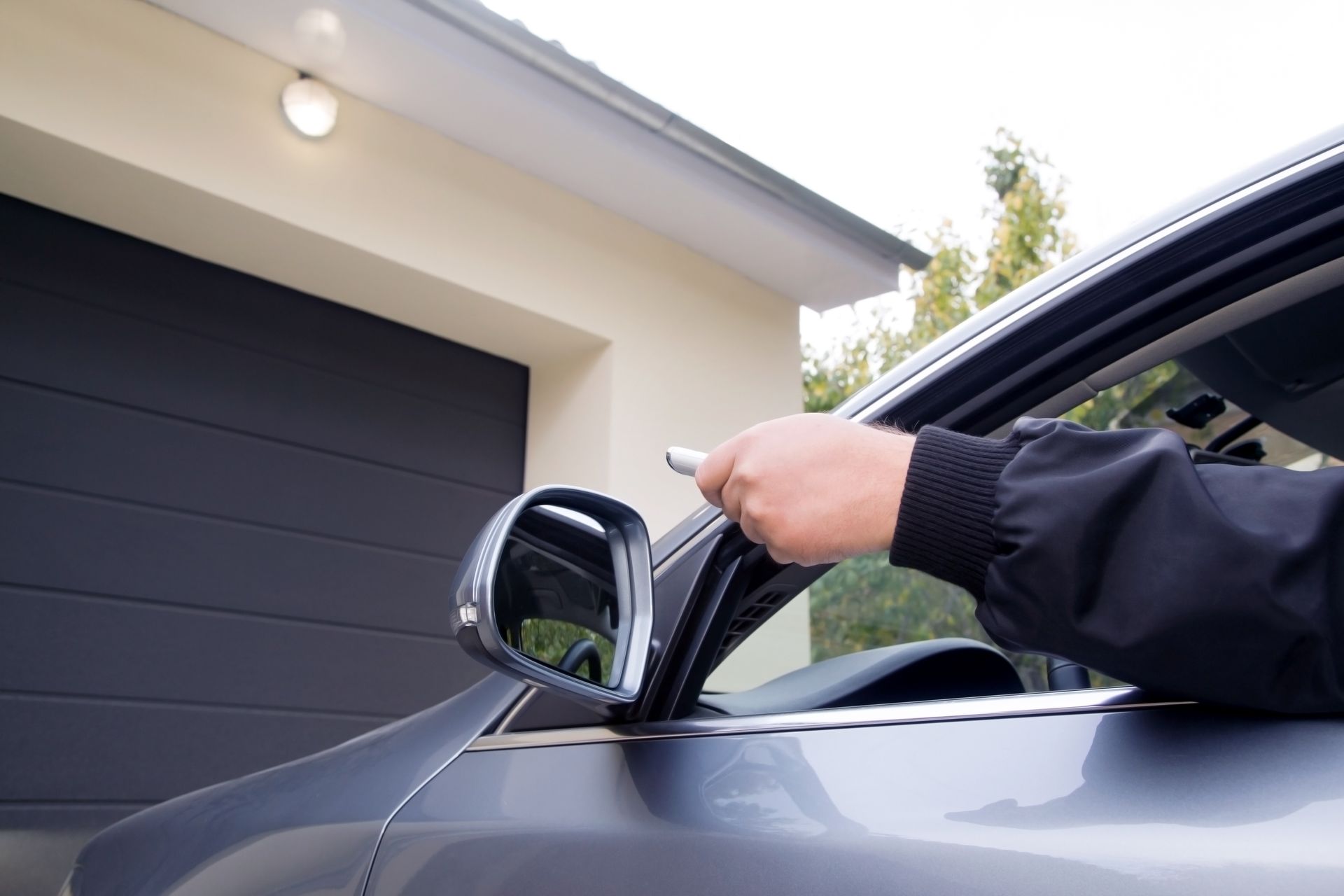
Winter in Australia might not bring snowstorms like other parts of the world, but colder temperatures, rain, moisture, and strong winds can still affect your garage door more than you think.
You might notice:
- The door feels slower than usual
- Loud squeaking or grinding noises
- The opener is struggling to work properly
- The door is sticking or becoming harder to lift
These issues are common during winter—and if ignored, they can turn into expensive repairs later on.
The good news? Most winter garage door problems are preventable with a few simple checks and regular maintenance.
Here’s what to watch out for and how to keep your garage door running smoothly through the colder months.
Why Winter Affects Garage Doors
Garage doors rely on moving metal parts, tension systems, tracks, rollers, and motors. Cold weather and moisture can impact all of them.
During winter:
- Metal contracts in cooler temperatures
- Moisture can lead to rust and corrosion
- Lubricants become thicker and less effective
- Strong winds and storms put extra pressure on doors
Even in milder Australian winters, these small changes can affect how smoothly your garage door operates.
1. Noisy Garage Doors
One of the most common winter complaints is a garage door suddenly becoming noisy.
You may hear:
- Squeaking
- Grinding
- Rattling
- Screeching sounds
This usually happens because colder temperatures reduce lubrication effectiveness, causing metal parts to rub together more harshly.
How to Prevent It
Apply a quality garage door lubricant to:
- Hinges
- Rollers
- Springs
- Tracks
Avoid using heavy grease or WD-40 as a long-term solution. A proper garage door lubricant works much better and lasts longer.
Why It Matters
Ignoring unusual noises can lead to faster wear on important components like rollers and springs.
2. Garage Door Springs Becoming Weak
Garage door springs already carry a huge amount of tension every day. Winter weather can make worn springs more likely to fail.
Signs of spring problems include:
- The door feels heavier than normal
- The door opens unevenly
- The opener struggles
- The door slams shut quickly
What You Should Do
If your door suddenly feels heavy, stop using it and arrange a professional inspection.
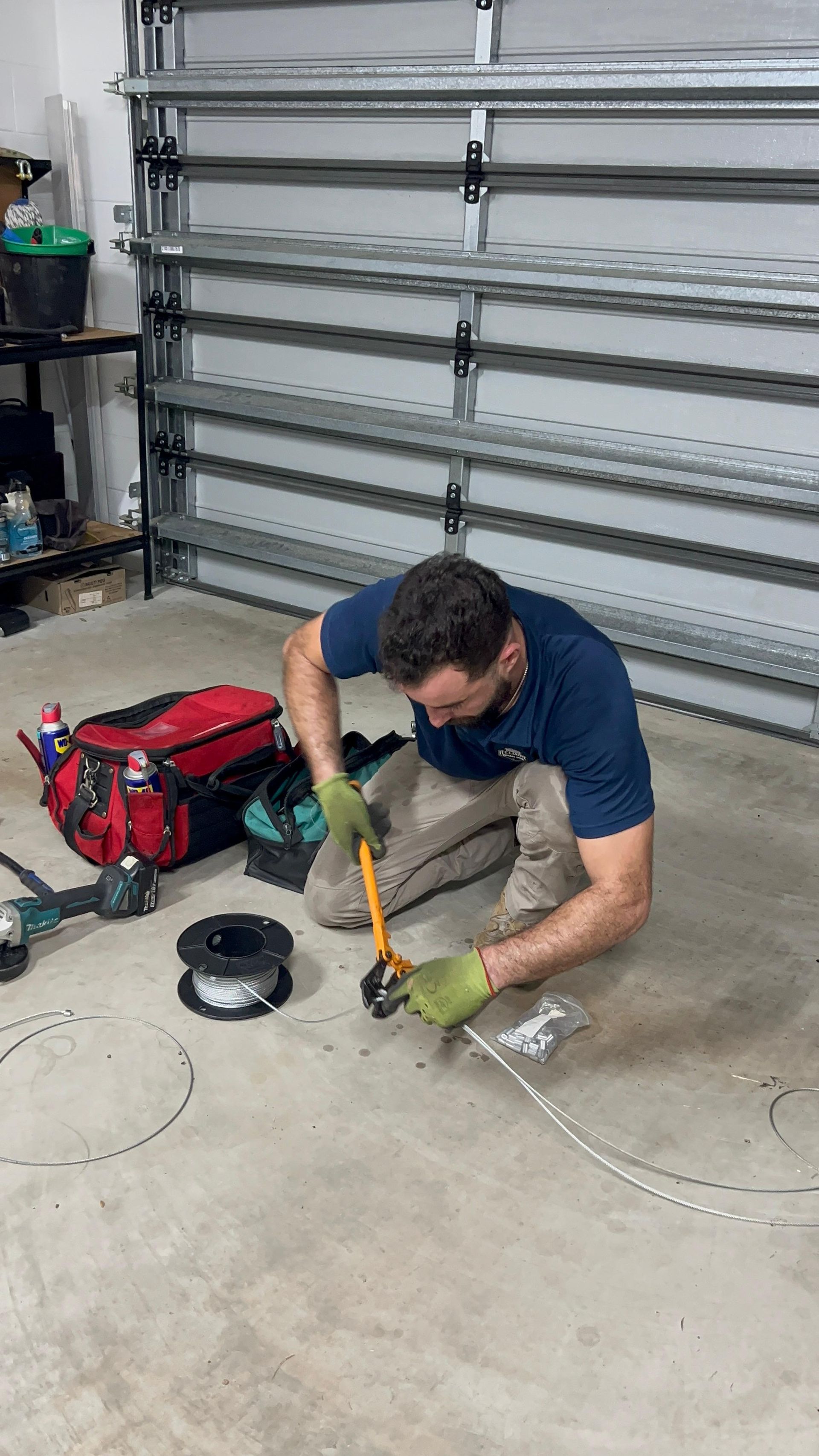
A damaged spring is not something you should attempt to repair yourself. Springs are under high tension and can be dangerous without proper tools and experience.
Prevention Tip
Annual servicing helps detect spring wear before it becomes a major issue.
3. Moisture and Rust Build-Up
Winter rain and humidity can cause moisture to build up around metal garage door parts.
Over time, this can lead to:
- Rusted tracks
- Corroded springs
- Damaged hinges
- Stiff rollers
Rust doesn’t just affect appearance, it can interfere with the entire system’s performance.
How to Prevent Rust
- Wipe down visible moisture after heavy rain
- Keep the garage ventilated where possible
- Lubricate moving metal parts regularly
- Check for early signs of rust or corrosion
If you notice orange or brown marks around hinges or tracks, it’s best to address them early.
4. Garage Door Opener Problems
Cold weather can sometimes affect garage door opener performance, especially older systems.
You might notice:
- Delayed response times
- The opener sounding strained
- The door stopping halfway
- Remote issues
Sometimes the opener isn’t actually the problem, it may be reacting to increased strain elsewhere in the system.
Quick Checks You Can Do
- Replace remote batteries
- Inspect the safety sensors for dirt or moisture
- Listen for unusual motor sounds
- Check whether the door moves smoothly manually
If the opener is consistently struggling, it’s worth having the entire system inspected.
5. Tracks Becoming Misaligned
Winter storms and temperature changes can sometimes affect track alignment.
Even slight misalignment can cause:
- Jerky movement
- Loud noises
- Uneven opening
- Added strain on the motor
Signs to Watch For
- Gaps between rollers and tracks
- Shaking during operation
- The door appears uneven when closing
Prevention Tip
Keep tracks clean and free from dirt, leaves, or debris during winter. Avoid forcing the door if it seems stuck or misaligned.
6. Bottom Seal Damage and Draughts
The rubber seal at the bottom of your garage door helps keep out:
- Water
- Dirt
- Wind
- Cold air
Over time, winter conditions can make seals brittle or cracked.
Why It Matters
Damaged seals can allow:
- Water leaks
- Cold draughts
- Pest entry
- Higher energy costs in attached garages
Easy Prevention
Inspect the bottom seal every few months for:
- Cracks
- Gaps
- Hardening rubber
Replacing a worn seal is a simple fix that can make a noticeable difference.
Simple Winter Garage Door Maintenance Tips
Here are a few easy ways to reduce the chance of winter breakdowns:
Keep Moving Parts Lubricated
Regular lubrication helps reduce friction and wear.
Listen for Changes
New noises are often early warning signs.
Test the Door Balance
A balanced door should stay in place when lifted halfway manually.
Clean Tracks Regularly
Remove dirt, leaves, and debris buildup.
Book Preventive Servicing
A professional inspection can catch small issues before they become expensive repairs.
When to Call a Professional
It’s best to arrange professional help if:
- The door feels unusually heavy
- Springs appear damaged
- The opener struggles constantly
- The door becomes uneven
- You hear loud snapping or grinding noises
Trying to force or repair certain garage door components yourself can make the issue worse—and may create safety risks.
Winter garage door problems are more common than many homeowners realise, especially during colder, wetter months across Australia.
The good news is that most issues start small:
- A lack of lubrication
- Minor wear and tear
- Moisture build-up
- Early spring fatigue
By staying on top of maintenance and paying attention to warning signs, you can keep your garage door running smoothly all winter long.
And if something doesn’t feel right, it’s always better to get it checked early before it turns into a larger repair.
Need Professional Garage Door Servicing?
If your garage door continues to make loud noises or isn’t operating properly, professional assistance may be needed. Contact Reliable Garage Doors Townsville for expert garage door repair Townsville homeowners can trust.
FAQs
1. Why is my garage door louder during winter?
Cold weather can reduce lubrication effectiveness and cause metal components to contract, leading to squeaking, grinding, or rattling noises.
2. Can cold weather damage garage door springs?
Yes. Winter conditions can place extra strain on worn springs, increasing the risk of failure or breakage.
3. How often should I service my garage door in Australia?
Most garage doors should be professionally serviced at least once a year to keep them operating safely and efficiently.
4. What’s the best way to maintain a garage door during winter?
Regular lubrication, cleaning the tracks, checking for rust, and booking preventative servicing are some of the best ways to prevent winter garage door problems.